 |
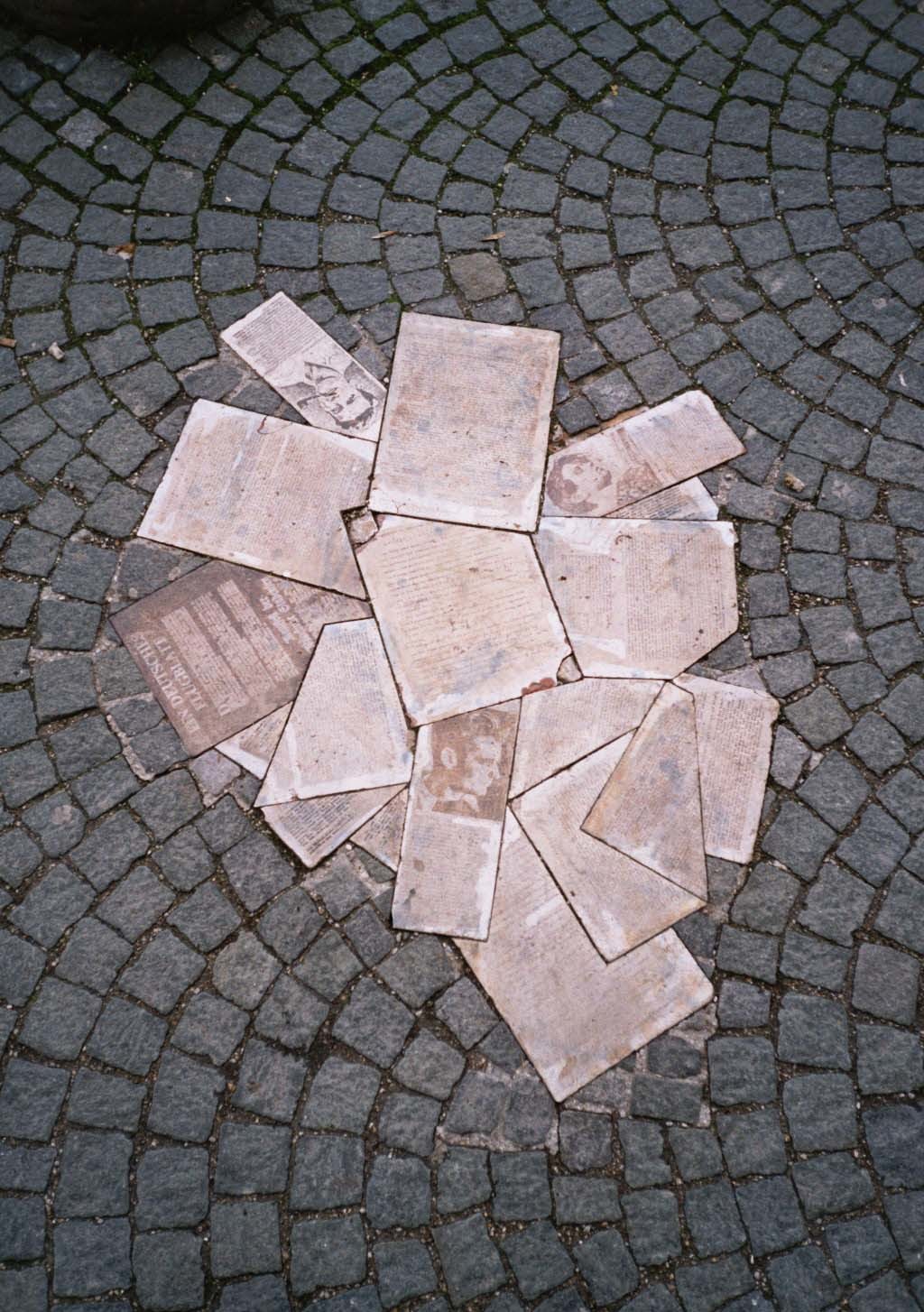
| Monument to Die Weiße Rose resistance movement, at the University of Munich, Germany. Public Domain. |
So, a few months ago, I started building a timeline of WW2 events that I could connect to each chapter of Biscuit. When I could, I used resistance activities because they further an important theme of the book. Anyway, I came across the White Rose (Weiße Rose) resistance group at the University of Munich, and damn ... those were some courageous, heroic people.
Anyway, Germany is a sort of boogieman-type villain in Biscuit (hard to write a book about an ethnically/culturally Jewish family in WW2, where Germany doesn't look pretty bad). But in this situation, there's not a whole lot of opportunity for nuance. It doesn't help that most of Arthur and Roma's interactions were with Germans in enforcer-type roles. Soldiers at roadblocks. Gestapo investigating sabotage, soldiers chasing down illegal refugees.So when I found opportunities to make the portrayal of Germany a little more complex, I took them. One was to use the White Rose group as part of my timeline, and the other was to have a German POW show genuine remorse for his actions, and also explain why he couldn't dodge the Wehrmacht draft, despite holding anti-Nazi beliefs.
Anyway, back to the White Rose. One of the members was a young woman named Sophie Scholl. She and her brother Hans were executed by the Nazis for distributing anti-Nazi leaflets for the White Rose, but after her death in 1943, Germany has never forgotten her:
- They placed a bust of her in the Wahalla Memorial.
- There are streets and squares named for the Scholls all over Germany.
- In 2003, Sophie and Hans placed fourth in a poll of the most important Germans, beating out Einstein, Bach, Gutenberg, etc. If only the votes of young Germans had been counted, the Scholls would have placed first.
- There have been several German TV shows and movies telling the story.
The transcripts of the Scholls' interrogations resided in East German archives until the 1990s. After reunification, the transcripts came to light, and one filmmaker used those as primary sources, along with survivor testimony, to write the screenplay Sophie Scholl – The Final Days (Sophie Scholl – Die letzten Tage). The movie was released in 2005, was nominated for and won numerous awards, and I'm planning to watch it in a few weeks:

No comments:
Post a Comment
Neither spam nor mean comments are allowed. I'm the sole judge of what constitutes either one, and any comment that I consider mean or spammy will be deleted without warning or response.